
Updated on: 2026-01-10
Seeking a simple, considerate way to keep your reformer practice cleaner and more comfortable? This guide explains how to select, set up, and care for a removable mat cover that supports studio etiquette and personal comfort. You will find step-by-step care tips, material guidance, and storage advice that fits busy schedules. We also highlight key benefits and answer common questions so you can make a calm, confident choice.
- Introduction
- Practical Guide to a Hygienic Mat Cover
- Measure your equipment
- Choose skin-friendly materials
- Set up before class
- After-session care: clean and dry
- Storage and transport
- Sustainable habits for longevity
- Key Advantages
- Questions & Answers
- How often should I wash the cover?
- Will it fit different reformers?
- How do I keep it from slipping?
- Summary & Next Steps
Introduction
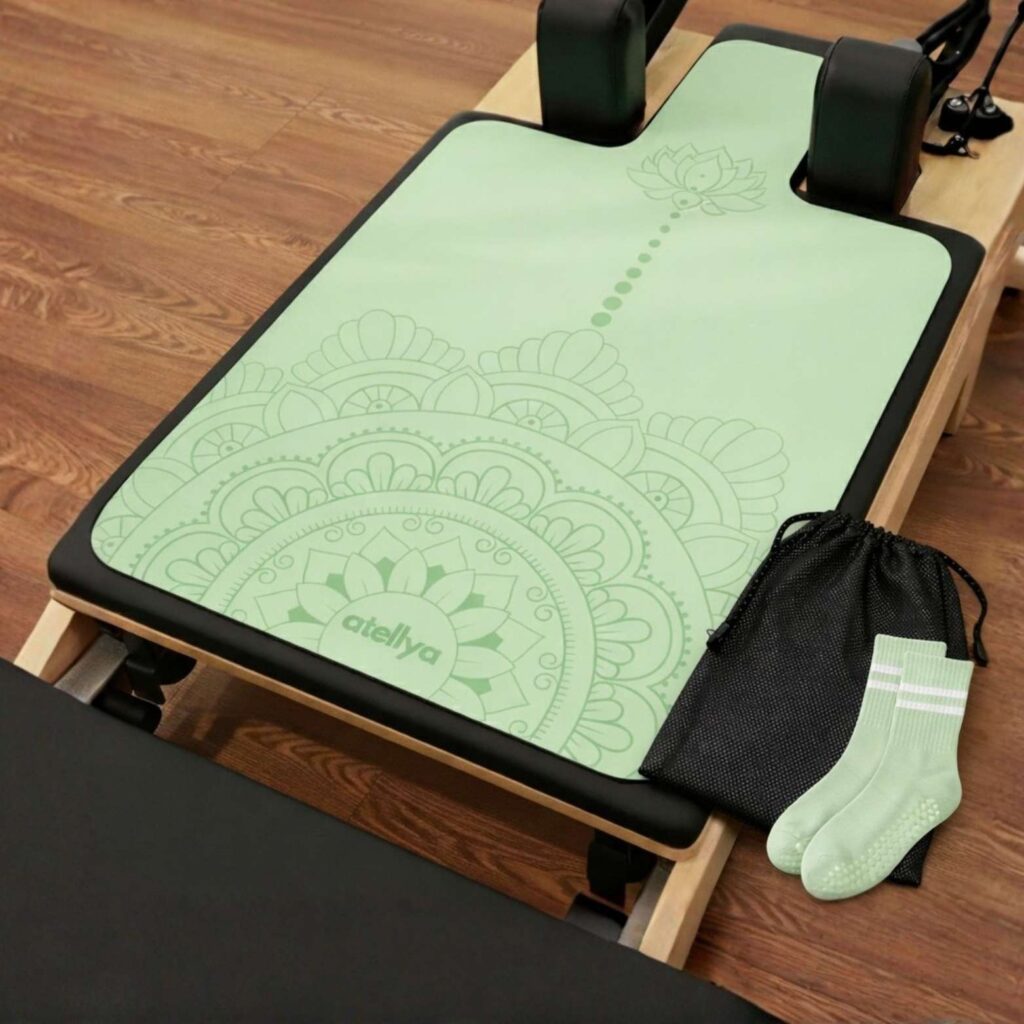
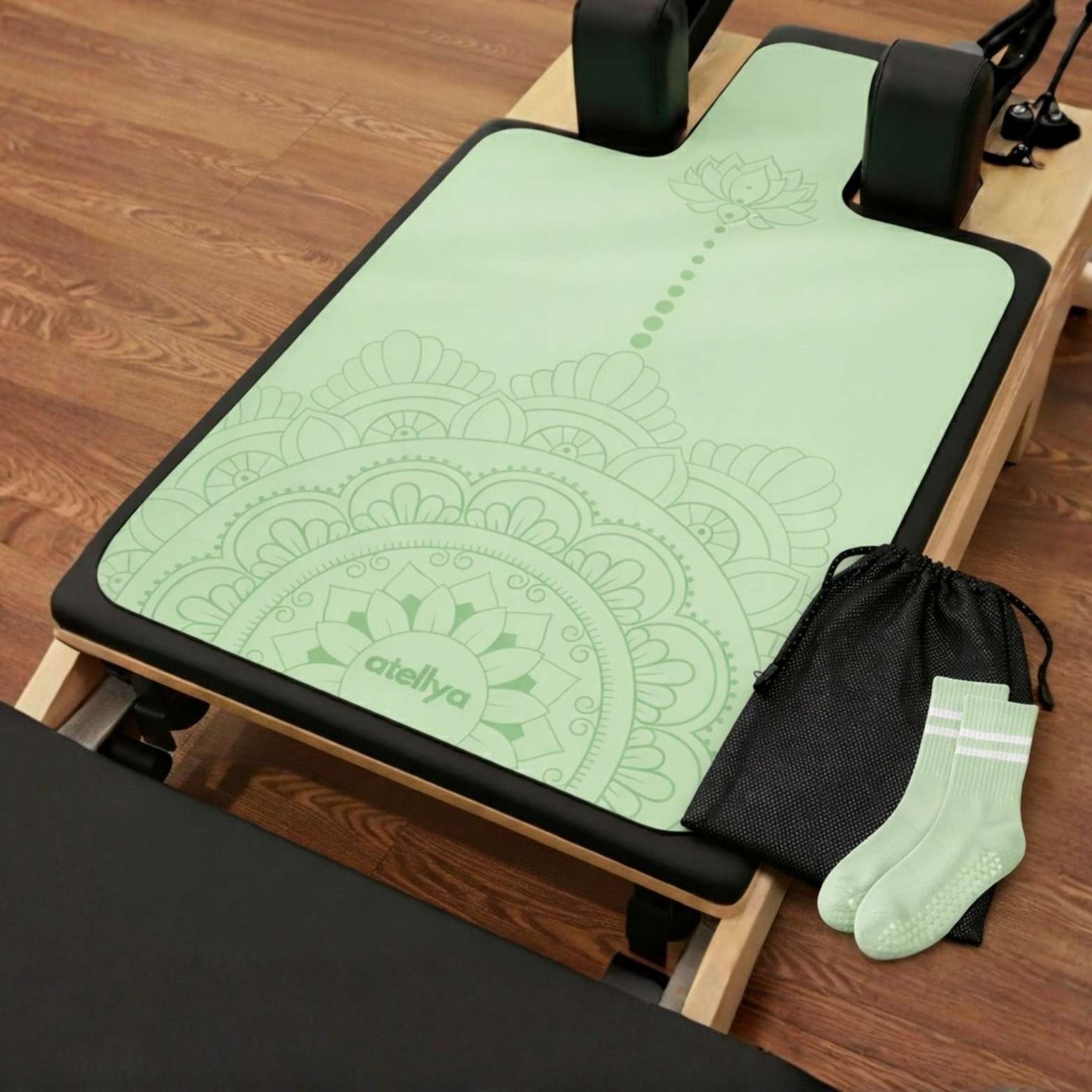
A tidy workout space can feel reassuring and respectful to everyone in the room. If you prefer a personal barrier between you and shared studio surfaces, a hygienic mat cover offers a gentle solution that is easy to wash, pack, and reuse. In the sections below, you will find a practical approach to selection, setup, cleaning, and storage—designed to minimize effort while supporting a clean, considerate practice.
The suggestions here focus on simple routines, breathable materials, and reliable fit so you can concentrate on mindful movement. We also include links to thoughtfully designed options—such as the Melbourne Blue mat, California Coral mat, and Boston Green mat—as well as a simple way to shop all mats in one place.
Practical Guide to a Hygienic Mat Cover
Measure your equipment
A well-fitting cover is more comfortable and stays in place better during class. To begin, measure your reformer carriage length, width, and the location of shoulder rests. Make a quick note of any raised elements (like eyelets or platform edges) that may influence how the cover lays flat. When comparing product dimensions, look for a clear width and length match within a small margin—ideally no more than a few centimeters of difference.
- Length: Measure the full carriage surface from headrest to footbar end.
- Width: Measure the widest flat area between side rails.
- Features: Note shoulder blocks or handles that require cutouts or flexible fabric.
Choose skin-friendly materials
Comfortable, breathable materials help you feel at ease while reducing sweat buildup. Many people appreciate soft, grippy textiles with a smooth hand feel and a stable underside. Look for fabrics that are washable at moderate temperatures, dry relatively quickly, and maintain color over time. If you have sensitive skin, consider options labeled hypoallergenic or free of common irritants. Solid stitching and finished edges prevent fraying and support long-term use.
- Breathability: Helps manage moisture for a fresher feel.
- Grip: A stable top layer can support focus and alignment.
- Care: Machine-washable, quick-dry fabrics simplify routine upkeep.
Set up before class
Arriving a few minutes early offers a calm window to set up. Lay the cover along the carriage, aligning edges evenly. Smooth from the center outward to release air pockets. If your cover features corner pockets or light elastic, place them gently around the corners so the fabric lies flat without stretching. Consider a brief spot-wipe of touch points with a gentle, fabric-safe spray if needed. This mindful setup can feel reassuring without drawing attention or taking much time.
After-session care: clean and dry
A short, consistent routine is often the easiest to keep. After class, shake off surface lint and use a soft cloth to absorb any moisture. If the cover is damp, briefly air it out before placing it in your bag. At home, a simple wash cycle with mild detergent and cool to warm water usually works well for most textiles. Avoid bleach and harsh additives that can wear down fibers. Air drying is gentle; if you use a dryer, a low-heat setting helps maintain shape and color.
- Washing: Mild detergent; cool or warm cycle.
- Drying: Air dry or low-heat tumble.
- Refresh between washes: A light fabric-safe spray can help.
Storage and transport
Compact storage keeps your bag uncluttered and your cover ready for the next session. Roll the cover from headrest end to footbar end to minimize creases. If you prefer folding, keep folds loose to preserve the fabric’s internal structure. A breathable pouch or mesh bag allows airflow and helps the cover stay fresh in transit. Keeping a small, soft cloth in the pouch makes quick wipe-downs easy and discreet.
Sustainable habits for longevity
Gentle care helps your cover last longer and look better over time. Consider alternating two covers if you practice frequently, so each has time to fully dry between classes. Run shorter wash cycles whenever practical and avoid very hot water. If you notice a small loose thread, trim it carefully rather than pulling. These simple choices can reduce wear, conserve resources, and keep your setup feeling considerate and well maintained.
Key Advantages
- Personal comfort: A soft, clean barrier can feel welcoming on shared equipment.
- Easy upkeep: Washable fabrics simplify routine care between sessions.
- Balanced grip: Textures designed for traction support steady positioning.
- Respectful practice: A dedicated cover reflects care for shared studio spaces.
- Travel-friendly: Rolls or folds into a gym bag without adding much weight.
- Durable design: Reinforced edges and quality stitching extend usable life.
- Style options: Calm colorways let you choose a look that suits your space and mood.
Questions & Answers
How often should I wash the cover?
Washing frequency depends on your schedule and comfort. Many practitioners find that a quick air-out after each class plus a regular wash—such as once or twice a week—strikes a good balance. If you attend multiple sessions in a day or notice visible perspiration, you may wish to wash more often. Mild detergent, cool or warm water, and low heat during drying (or air drying) tend to be gentle on most fabrics.
Will it fit different reformers?
Fit varies by brand and carriage size, so measuring your equipment is helpful. Compare your length and width notes to product dimensions and check whether the design includes flexible corners or adjustable edges. If you attend different studios, a slightly more forgiving cut can adapt to small variations. When in doubt, consult product pages for exact measurements, like those found on the Melbourne Blue mat or similar listings, and choose the closest match.
How do I keep it from slipping?
Several small habits improve stability. Start by smoothing the cover from the center outward to remove air pockets. If your cover includes corner pockets, place them gently and ensure the fabric lies flat. Make sure both the carriage and the cover are dry before class. Materials with a lightly textured underside can also reduce movement. If you notice any shifting, a quick mid-class smooth can help without disrupting your flow.
Summary & Next Steps
Caring for your practice can be calm and simple. By measuring your carriage, choosing breathable materials, and following a short wash-and-dry routine, you support a cleaner, more comfortable session with very little effort. Compact rolling, gentle detergents, and low heat go a long way toward durability and dependable grip.
If you would like to explore options, you are welcome to browse thoughtful designs like the California Coral mat or review the full range on the shop all mats page. We hope these suggestions feel respectful of your routine and help you enjoy a more comfortable, considerate practice.

Atellya Rituals Bloggerhttp://www.atellya.com

Atellya Rituals