
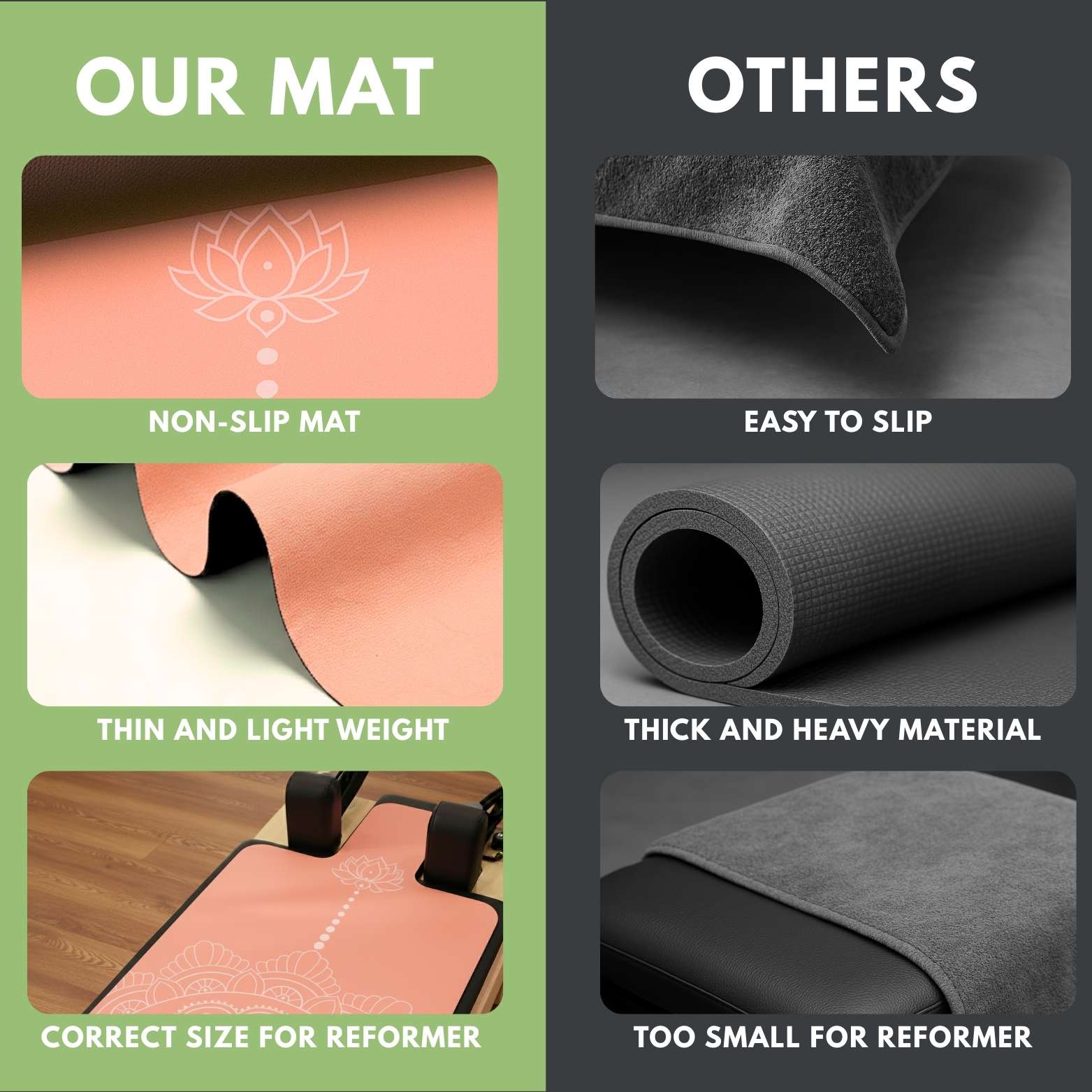
If you’re tired of bulky gear slowing down your routine, a Lightweight Pilates Mat gives you portable comfort, steady grip, and quick setup anywhere you flow. This guide explains how a travel-ready mat supports precise form, easy studio transitions, and home workouts without clutter. You’ll see real use cases, common myths debunked, and simple buying tips to find the right fit. Plus, get practical care advice and answers to the most asked questions so you can roll out with confidence.
- Introduction
- Why a Lightweight Pilates Mat Changes Your Practice
- Key Benefits and Use Cases
- Features That Matter (So You Buy Once)
- Myths vs. Facts
- Personal Experience
- Care, Storage, and Longevity Tips
- Final Thoughts & Takeaways
- Q&A Section
- About the Author Section
Introduction
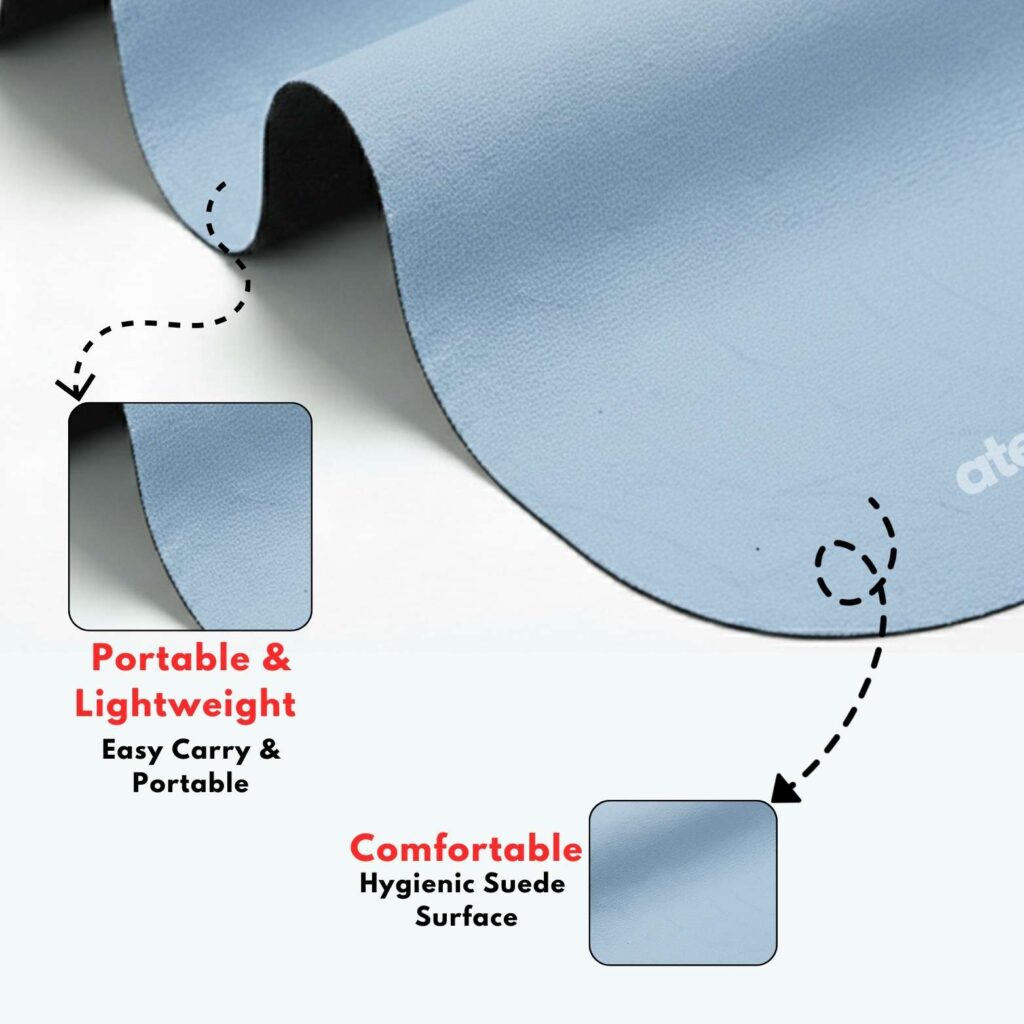
Your mat is the foundation of every movement. It can either support your form and focus or distract you with slipping, bunching, and bulk. If you commute to class, train at home, or travel often, you need a mat that is easy to carry yet stable under pressure. The right choice combines cushion, grip, and portability so your practice feels smooth and consistent in any setting. This article shows how a Lightweight Pilates Mat helps you move better—without weighing you down.
Why a Lightweight Pilates Mat Changes Your Practice
A light, portable design reduces friction in your routine. When your mat packs quickly and carries comfortably, you’re more likely to practice regularly. That momentum is invaluable—less setup time means more time for core work, breath, and alignment. A thoughtfully engineered surface provides traction for planks, roll-ups, and side-lying series, while supportive density helps protect pressure points through longer sequences. In short, lighter gear can lead to stronger habits and cleaner technique.
Key Benefits and Use Cases
Whether you’re a studio regular, a home-session devotee, or a traveler, a slim-profile mat can streamline your day. Here’s how:
- Commute-friendly: Slip it into a tote or backpack and walk, bike, or ride to class without strain. Lighter carry weight equals less shoulder fatigue and a more energized start to your session.
- Small-space friendly: If you practice in a living room or shared space, a compact mat stores easily upright or under a bed, keeping clutter out of sight.
- Consistent grip: A quality surface helps you maintain alignment during teasers, leg circles, and push-through variations—even when the pace picks up.
- Travel-ready: For business trips or holidays, a packable mat turns hotel floors into a clean practice space, so your routine never skips a beat.
- Studio-to-home continuity: Using the same style of mat across locations makes your body feel “at home,” improving confidence and control in each movement.
Want a polished, minimalist setup? Explore thoughtful essentials at Atellya to build a kit that is easy to carry and quick to store.
Features That Matter (So You Buy Once)
Not all portable mats are equal. Use this checklist to choose wisely:
- Grip performance: Look for a non-slip top with a fine texture that supports slow and controlled work. Good grip reduces the micro-adjustments that lead to form drift.
- Balanced cushioning: A slimmer profile can still be comfortable. Aim for firm-yet-giving density that stabilizes wrists and knees without feeling spongy.
- Weight and thickness: Featherlight is great, but too thin can feel harsh. Seek a sweet spot: light enough for daily carry, thick enough to be supportive.
- Durability: High-quality materials resist flaking and stretching. Strong tear resistance keeps edges neat after frequent rolling and unrolling.
- Easy care: Sweat-friendly, wipe-clean surfaces help keep your space fresh. Quick-dry properties cut the time between sessions.
- Eco-conscious build: If sustainability matters to you, check for responsible materials and packaging, and care instructions that extend product life.
Ready to refine your kit? See curated options and accessories via Shop Collections.
Myths vs. Facts
- Myth: Light mats always slide around. Fact: Quality engineering and textured surfaces can lock into floors effectively, even with a slim profile.
- Myth: You must choose between cushion and control. Fact: Modern foams and composites can deliver both firmness for alignment and comfort for points of contact.
- Myth: Portable mats wear out quickly. Fact: With proper care—gentle cleaning, cool storage, and no harsh folding—a durable mat can serve you for the long haul.
- Myth: Heavier mats are always better. Fact: Heft does not equal stability; traction pattern, density, and material quality matter more for performance.
- Myth: Travel-ready mats are only for beginners. Fact: Advanced practitioners benefit from portability and consistent grip just as much as newcomers.
Personal Experience
When I first switched from a bulky mat to a lighter one, my attendance went up immediately. Carrying the old setup through the city felt like a workout of its own. With a compact mat, I walked into class with energy to spare and noticed sharper focus in my roll-ups and open leg rocker. A studio owner later shared a similar note: “Once clients started using lighter gear, they arrived early and practiced more transitions between sets—because nothing felt like a hassle.” That small change in convenience translated into better consistency and more confident movement.
Care, Storage, and Longevity Tips
Simple habits keep your mat fresh and supportive:
- Wipe after each session with a soft cloth and mild, non-alcohol solution. Allow it to air dry completely before rolling.
- Roll loosely with the top side out to prevent curling edges. Avoid sharp folds that can crease and weaken the material.
- Store in a cool, dry spot away from direct sunlight. Heat and UV can prematurely age even premium surfaces.
- Rotate usage: If you train daily, alternate with a second mat to let each one rest and fully dry between sessions.
- Refresh grip: Lightly clean textured areas weekly to remove residue that can reduce traction over time.
For gear that complements simple care routines, explore About Atellya and how design choices support real-world use.
Final Thoughts & Takeaways
Great practice follows great setup. By choosing a portable Pilates mat with smart grip, supportive density, and easy maintenance, you remove friction from your day and add consistency to your movement. Look for a balanced, travel-friendly build and commit to simple care habits—your body will thank you every time you roll down into your first imprint.
Want a streamlined start? Visit Contact Atellya for friendly guidance on selecting your ideal mat and accessories.
Choose your Lightweight Pilates Mat thoughtfully, and your routine becomes lighter too—physically and mentally.
Q&A Section
How do I know if a portable mat has enough cushion for my joints?
Look for a mat that feels firm under load rather than squishy. During a plank, your wrists should feel supported without sinking. In side-lying work, your hip bone should have gentle give without wobbling. If possible, test with a few basic moves: cat-cow, modified side plank, and kneeling lunge. If you feel stable and your points of contact are comfortable, the density is likely right for you.
Will a travel-friendly mat stay grippy when my hands get warm?
Yes—if the surface texture is designed for traction. Fine, closed-cell patterns often maintain grip as temperature rises, while easy-clean finishes help manage surface moisture. Wipe your mat briefly before class and after, and allow it to dry fully. Consistent maintenance preserves that sure-footed feel for the long term.
What’s the best way to carry a slim mat on my commute?
Use a soft strap or slip it into a lightweight tote with room for water and a small towel. Keep the roll loose enough to prevent creases. If you bike or walk long distances, balance the weight across your shoulders or place the mat vertically in a backpack to reduce strain. Compact design means your setup remains tidy and easy to manage, even during rush hour.
Can a lighter mat work on different surfaces like hardwood, tile, or carpet?
Absolutely. Quality mats with a textured base tend to hold steady on smooth floors and stay flat on low-pile carpet. If you notice movement on very slick surfaces, place the mat on a clean, dry area and avoid dust buildup. Regular cleaning keeps both sides performing as intended.
About the Author Section
About the Author
Written by the Atellya editorial team, specialists in elegant, practical fitness essentials for everyday movement. We test products in real training environments and share clear, actionable guidance to help you choose gear that fits your life. Thanks for reading—stay consistent, stay comfortable, and enjoy the flow.